
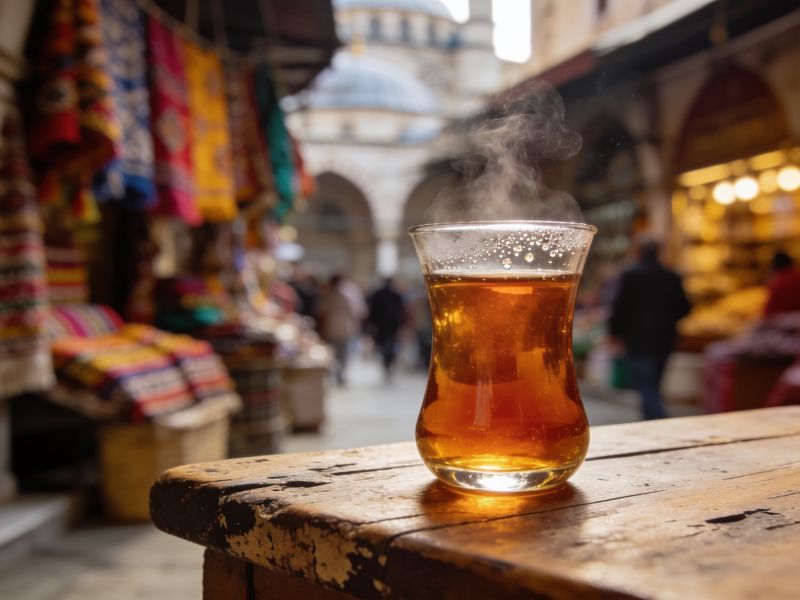
stanbul's Grand Bazaar doesn't smell like spices. It smells like wet wool and strong tea. That's the first thing I noticed on my third visit to Turkey, a country that keeps refusing to fit into the neat boxes travelers bring with them. The tourist brochures promise "where East meets West," but that phrase collapses the moment you sit in a smoky meyhane in Beyoğlu, arguing about football with a waiter who insists Raki tastes better with ice—and he's right.Turkey's geography does more than split continents. It splits expectations. Drive three hours east from Ankara and the landscape turns into something lunar—steppe, salt lakes, and villages where old men play backgammon with the intensity of surgeons. In Gaziantep, I watched a baker shape pistachio baklava by hand, folding forty paper-thin layers of dough as if each one mattered. He told me the secret isn't the nuts. It's the butter from local sheep, which tastes grassy and a little wild. That specificity is what gets lost when people reduce Turkey to "kebabs and mosques." The country's food alone could fill a dozen books。
and I'm not exaggerating—I've eaten lamb stew in Konya that tasted like someone's grandmother had been simmering it since the 1970s.Politics complicates everything, and pretending otherwise would be dishonest. The lira's volatility hit hard during my last stay. A simit (sesame bread ring) cost three times what it did two years ago, and taxi drivers now quote fares in euros half the time. Yet daily life hums along with a stubborn cheerfulness. Neighborhood tea gardens stay packed. Children play football in the street until midnight. In Trabzon, a shopkeeper closed his store for twenty minutes just to walk me to a hidden Ottoman bridge he thought I'd appreciate. That kind of uncalculated hospitality isn't a performance for tourists—it's woven into the social fabric。even when the economy makes generosity expensive.Language matters more than guidebooks admit. English works in tourist zones, sure. But step into a local pazar (market) in Mersin and you'll negotiate with hand gestures and a calculator. I learned maybe fifty Turkish words over three trips—enough to order, greet。and apologize. The real breakthrough came when an old woman selling figs laughed at my terrible pronunciation and corrected me. She didn't switch to English. She just slowed down. That small moment taught me more about Turkey than any museum placard. Turkish is agglutinative, meaning words stack suffixes like train cars, and locals seem genuinely pleased when foreigners attempt the grammar even badly.Would I call Turkey easy?No. Bureaucracy is a maze. Roads in rural areas can be terrifying. Conversations about history—Armenian, Kurdish, Ottoman—carry weight that outsiders should handle carefully. But Turkey rewards patience. Stay longer than a week。
skip the resort buffets, take the overnight bus, eat where the menu isn't in English. The country doesn't hand over its secrets cheaply, and that's precisely why it stays with you. After four trips, I still haven't cracked it. Good. I don't want to.